

The Best Video Games to Play in 2026: Standout Picks for Every Kind of Player
Choosing a game worth playing in 2026 involves more than checking which titles launched most recently. A strong recommendation may be a new release, a substantial expansion that meaningfully develops an existing game, or an older title that remains compelling through enduring design, community support, or renewed cultural attention. The best choice depends on what a player wants from the experience, how much time they can commit, and which systems they own. Looking beyond release dates helps create a more useful picture of the year’s standout games.
Gameplay quality is a central measure: controls should feel responsive, core systems should be engaging, and the experience should offer enough variety to sustain interest. Narrative, characters, and world-building can add depth, though they matter differently to players who prefer action, strategy, simulation, or open-ended exploration. Accessibility also deserves consideration, including adjustable difficulty, clear interfaces, subtitle options, and features that support different needs. Technical performance—such as stable frame rates, manageable loading times, and reliable online play—can shape enjoyment as much as a game’s ideas or presentation.
Replay value and practical fit help distinguish a promising game from one that suits a particular player. Some titles encourage repeat runs, experimentation, or ongoing play with friends; others deliver a focused story that is satisfying in a single session. Price, subscription access, downloadable content, and edition differences can affect overall value, so compare what each purchase includes rather than relying on a headline price. Platform availability is equally important: a game may be exclusive, arrive later on certain systems, or offer different performance and features across platforms. Because release schedules, specifications, and editions can change, verify current details with official sources or retailers before buying. This framework makes it easier to weigh excitement against personal preferences and choose games that are enjoyable, accessible, and worth the investment.
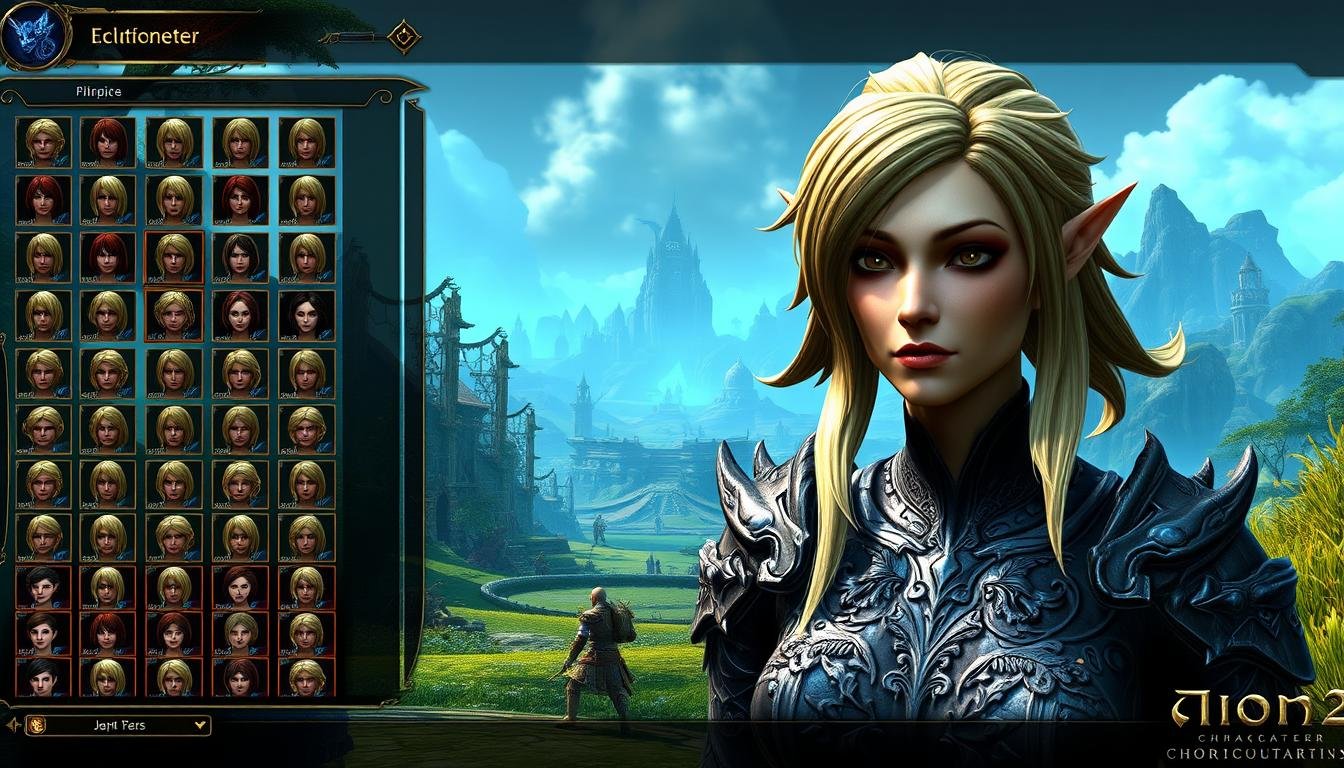
For players who want more than a brief diversion, narrative-focused games offer room to settle into memorable characters, layered settings, and decisions that shape an unfolding journey. The strongest choices balance a clear central story with enough freedom to explore at a comfortable pace. Role-playing games often provide especially broad campaigns, while action-adventures and cinematic experiences can deliver focused storytelling through striking scenes, responsive play, and carefully built worlds.
When comparing role-playing games, look beyond the size of the map or the number of quests. Consider whether characters have distinct motivations, whether dialogue choices feel consequential, and whether decisions influence relationships or later events. Exploration is most rewarding when locations reveal history, introduce unexpected encounters, or offer useful discoveries rather than simply extending travel time. A substantial campaign can be appealing, but its pacing matters: varied objectives, well-timed story developments, and opportunities to pause between major chapters help a long adventure remain engaging.
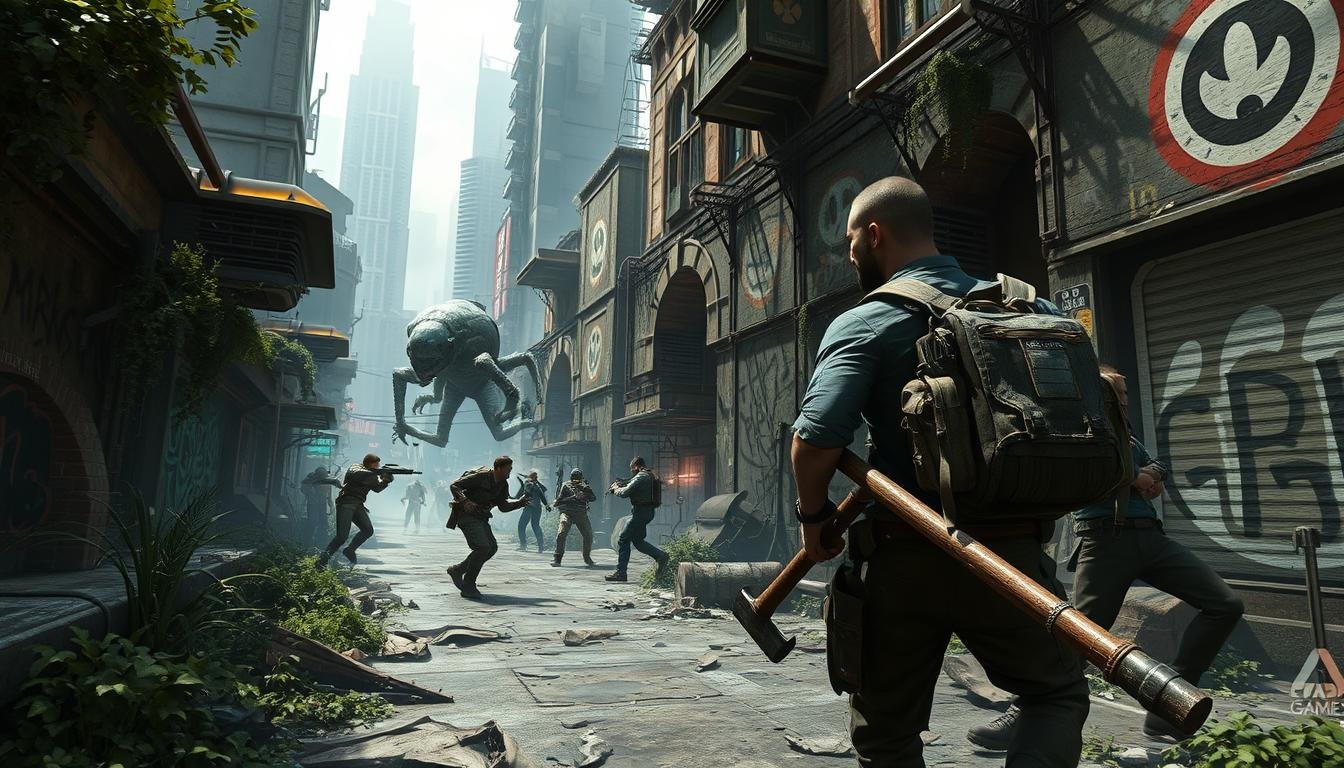
Action-adventures and cinematic games may offer a more directed experience, with carefully staged sequences and a tighter narrative arc. Their strongest examples give players meaningful control during exploration and combat, while using quieter scenes to develop characters and establish a sense of place. Look for a balance between story and interaction; frequent interruptions can weaken momentum, while long stretches without narrative change may make a campaign feel drawn out. World design also matters, whether the setting is an open landscape or a sequence of compact, richly detailed locations.
For a 2026 selection, distinguish confirmed releases from anticipated projects, and avoid treating unverified details as settled facts. Earlier games can remain excellent recommendations when their storytelling, performance, and availability still suit today’s players. Check campaign length against the time you can realistically commit, and review difficulty settings before choosing an especially demanding adventure. Options such as adjustable combat, subtitles, remappable controls, and other accessibility features can make a story easier to enjoy on your own terms. The right pick is not necessarily the longest or most technically ambitious; it is the one whose characters, pace, and world keep you interested.
For direct competition, Rocket League offers short, high-energy matches that are easy to understand but rewarding to master. It is free-to-play, supports cross-platform play, and lets friends form a team or enter matchmaking alone. Fortnite provides several ways to compete, from battle royale to shorter creative modes, while Street Fighter 6 is a strong choice for players who prefer focused one-on-one fights. For sports fans, EA Sports FC and NBA 2K offer online competition alongside solo modes, though their annual releases and in-game purchases may be considerations. Competitive games can involve steep learning curves, so look for ranked and casual queues that let newcomers find suitable matches.
Cooperative play is a good fit for friends who would rather work together than compete. Helldivers 2 centers on squad-based missions, while Sea of Thieves supports shared voyages and can be played with a crew or solo, although solo sailing is more demanding. Overcooked! All You Can Eat turns brief kitchen challenges into lively local or online sessions. Party games such as Fall Guys are also accessible for mixed-skill groups and offer quick rounds. Check platform availability and cross-play before buying: support varies by game and sometimes by console generation. Some online modes require a platform subscription, such as PlayStation Plus or Nintendo Switch Online, while free-to-play titles may have different rules.
Matchmaking quality, moderation, and community health can matter as much as a game’s mechanics. Review recent player feedback and settings for muting, reporting, and limiting voice chat, especially when playing with strangers. Live-service games receive regular updates, but changing balance, seasonal content, and rotating events can make them feel like commitments. Players with limited time should favor titles with satisfying short matches, straightforward progression, and useful solo options. Check whether cosmetic purchases are optional and whether competitive advantages are tied to spending or extensive grinding. A game that welcomes drop-in play, lets friends join across supported platforms, and remains enjoyable without daily tasks is often the more practical multiplayer choice.
Start by deciding what you want from your next gaming session. If you enjoy exploration and story, an expansive role-playing game may suit you; for quick bursts, consider a puzzle, racing, or arcade-style title. Check expected playtime as well as genre: a long campaign may be rewarding when you have regular evenings free, while shorter missions or run-based games can fit a busy schedule. Think, too, about whether you prefer playing solo, teaming up with friends, or competing online. These preferences can narrow a crowded field before you compare individual games.
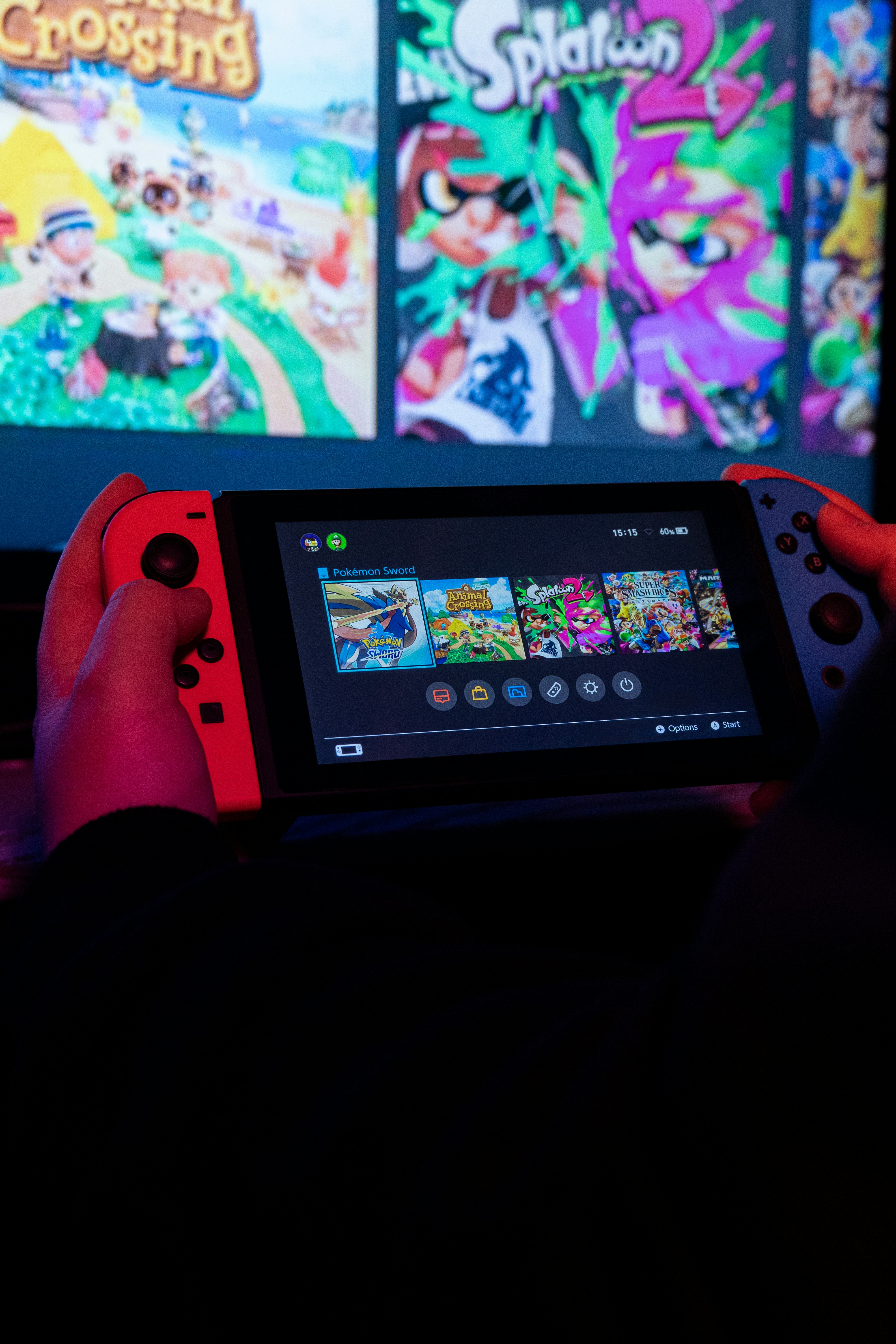
Practical details matter just as much as theme. Confirm that a game runs on your platform and check recent performance reports, particularly if you use older hardware or a handheld device. Read current reviews for information about updates, online stability, and the state of the experience today. A demo can help you assess controls and pacing firsthand, while subscription catalogs may let you try a title without buying it outright. Compare sale prices and editions carefully, and check the age rating and content guidance if you are choosing for a younger player. Accessibility options—including subtitles, control remapping, difficulty adjustments, and visual settings—can make a substantial difference to comfort and enjoyment.
Be honest about how much challenge you want. Some games are built around demanding combat, precision, or repeated attempts; others offer adjustable difficulty, relaxed modes, or a gentler pace. Neither approach is inherently better, but knowing your tolerance helps prevent a promising purchase from becoming a frustrating obligation. When possible, use reviews and gameplay clips to understand what difficulty means in practice, since labels alone do not always tell the full story.
Ultimately, the best game is the one that fits your interests, circumstances, and mood—not necessarily the most popular or technically ambitious release. Keep a short list organized by genre, mood, and the time you have available, such as “quick session,” “play with friends,” or “long story.” When you are ready to play, that simple guide makes choosing easier and helps you spend more time enjoying games than searching for one.









Leave a Reply