

Multiplayer games can turn a spare half-hour into a social occasion, but the right choice depends on the group’s size, experience, and mood. Some players want to talk and laugh while they play; others prefer a shared objective or a closely contested match. Before choosing a title, consider how much coordination it requires and whether everyone can join easily.
Party games are often a good fit for mixed-skill groups. Simple rules, short rounds, and frequent chances to participate help newcomers feel included without requiring extensive practice. Cooperative games offer a different kind of connection: players work toward a common goal, dividing tasks and helping one another recover from mistakes. Co-op action games can provide brisk teamwork, while survival adventures may reward longer-term planning, resource sharing, and exploration.
Groups seeking rivalry may prefer tactical shooters or other competitive games. These can make victories feel especially satisfying, but steep learning curves or uneven matchmaking may leave less experienced players behind. Fair team balancing, clear tutorials, and options for casual modes can help keep competition welcoming. Useful voice and text communication also matter, particularly when a game depends on calling out information or coordinating a strategy.
How people play together is just as important as what they play. Online multiplayer suits friends in different places, while local couch multiplayer makes it easy to share a screen and conversation. Cross-play can bring players together across consoles and computers, reducing the need for everyone to own the same system. Flexible session lengths are valuable, too: quick matches fit busy schedules, whereas campaigns and persistent worlds reward groups able to meet regularly.
For a relaxed evening, choose a game with accessible controls and room for conversation. For a coordinated challenge, look for cooperative objectives and tools that support teamwork. If the group wants intense competition, prioritize balanced matchmaking and clear ways to practice. The best multiplayer game is not necessarily the most complex or popular one; it is the one that lets the people playing enjoy the same experience together.
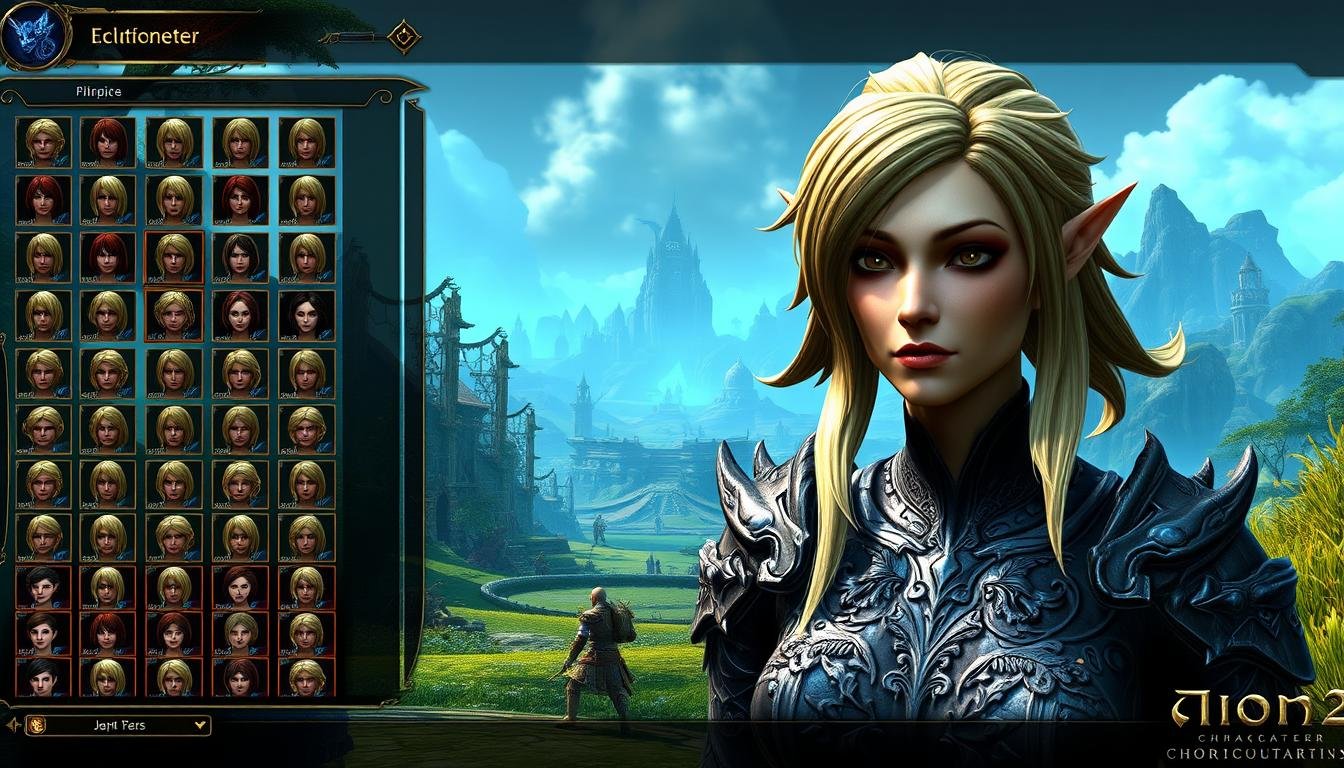
Role-playing games (RPGs) are a strong choice when you want an adventure shaped by memorable characters, a distinctive world, and a sense of personal progress. The genre ranges from compact, story-led journeys to sprawling games that can fill dozens or even hundreds of hours. Before choosing, consider how much time you have and whether you prefer to shape events through dialogue, develop a carefully customized character, or focus on tactical combat. A compelling setting matters, but the best fit also depends on how the game asks you to play.
Action RPGs make real-time combat central, rewarding quick decisions and hands-on control. Turn-based RPGs pause between moves, giving players time to plan attacks, manage resources, and exploit enemy weaknesses. Open-world adventures emphasize exploration and often let you set your own pace, while party-based and tactical RPGs focus on coordinating a group, using companions’ abilities, and positioning units effectively. These categories can overlap, so compare the details: combat depth, build variety, the freedom to explore, and whether narrative choices meaningfully alter relationships or outcomes. Companion stories and optional quests can make a long campaign especially engaging.
Newcomers may enjoy a streamlined RPG with clear objectives, accessible combat, and a manageable selection of abilities. Such games can offer meaningful growth without requiring players to learn dense systems or track many equipment choices. If you like planning, experimentation, and replaying different approaches, a more complex title may be rewarding. Longtime fans might look for an unusual setting, flexible character customization, memorable quests, or companions whose relationships develop through the story. Also check campaign length and whether progress can be made in short sessions; a vast adventure may suit leisurely evenings, while a focused narrative can better fit a busy schedule. Matching these qualities to your mood helps turn a promising recommendation into a game you will want to keep playing.
The best game for a particular platform is often one that makes good use of its strengths, rather than simply appearing on the most devices. On PC, players can find deep strategy games, simulations, competitive titles, and expansive role-playing adventures, often with options to adjust graphics, remap controls, or install community-made modifications. Before choosing, check whether a game runs well on your hardware and whether its preferred control scheme suits you. A keyboard and mouse may work especially well for precise aiming or complex menus, while controller support can make other genres more comfortable.
PlayStation and Xbox are strong choices for polished games designed for straightforward living-room play. Their libraries include major multi-platform releases as well as platform exclusives, so consider which specific series or experiences interest you instead of assuming that one console is best for everyone. Review performance on the model you own, including frame rate and visual settings, and check whether online multiplayer requires a paid subscription. Accessibility options such as subtitle customization, remappable controls, and difficulty settings can also make a meaningful difference to the experience.
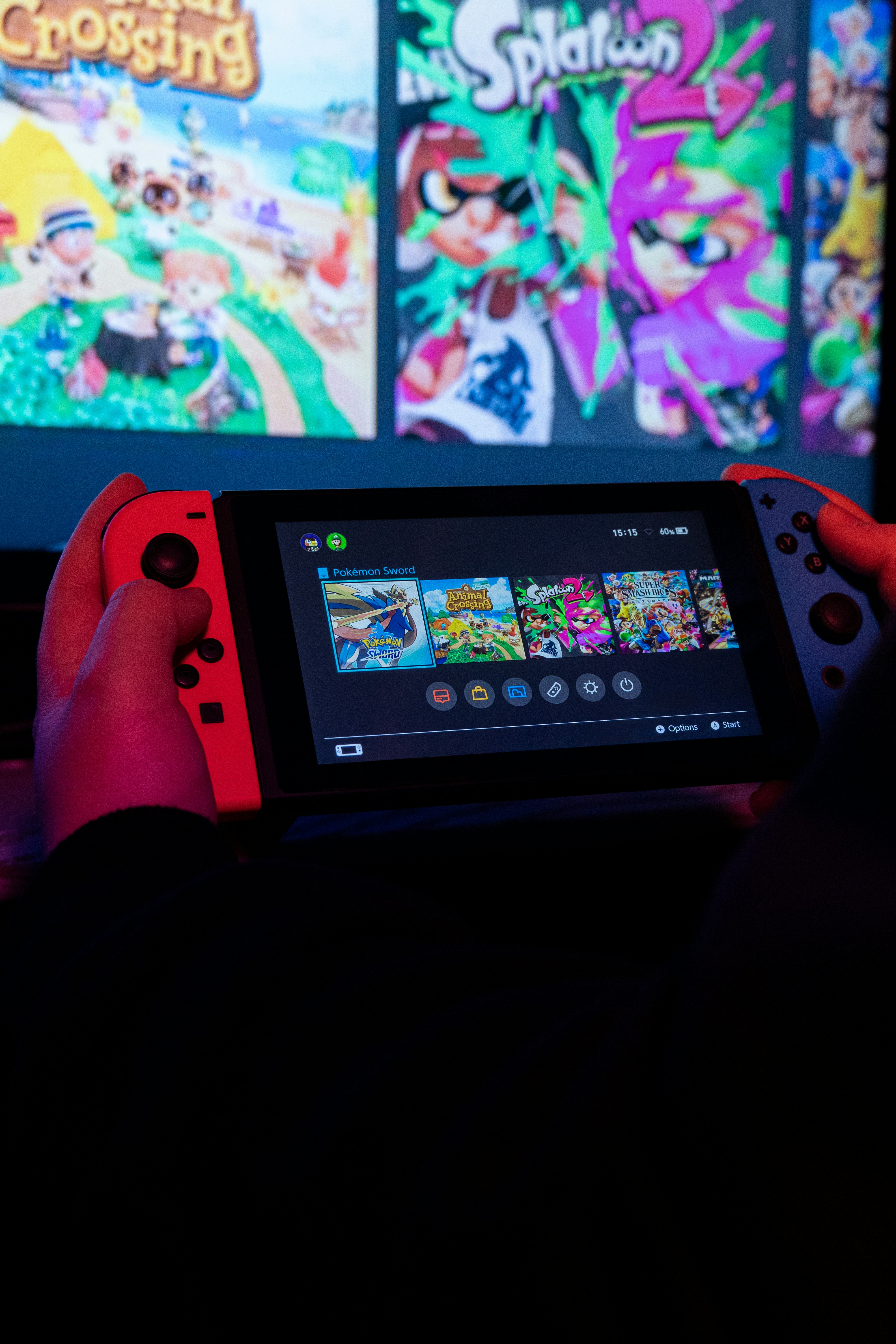
Nintendo Switch and other handheld systems are particularly convenient for portable play, whether you have a few minutes between tasks or want a longer session away from a television. Games with clear checkpoints, flexible pacing, and readable interfaces can work especially well on a small screen. Mobile devices offer another kind of convenience: touch controls and easy access make many puzzle, card, and casual games simple to start, though control quality and monetization vary. Across every platform, look for cross-play if you want to join friends on other devices, and check whether cross-progression carries your saves between systems. Comparing these practical details helps you find games that fit your schedule, preferences, and available hardware.
A busy schedule does not rule out satisfying game progress; it simply makes the length and structure of each play session more important. Look for games that deliver a clear reward, completed task, or meaningful choice within a few minutes. The best short-session options make it easy to begin, understand what to do, and stop without losing progress. They suit a five-minute break as well as a relaxed half-hour, without treating constant play as a requirement.
Roguelikes often work well because each run has a natural beginning and end; a defeat or victory still marks a complete attempt, while unlocks can carry forward. Puzzle games offer another convenient format: a single level or daily challenge provides a focused problem with a clear finish. Racing games can also fit neatly into spare time when individual events are short, and arcade action titles deliver immediate play without lengthy setup or extended story sequences.
Life-simulation games may seem open-ended, but everyday activities such as tending a garden, decorating a room, or checking in with characters can be paused and resumed easily. To judge whether a title will suit a busy routine, check for quick loading, reliable saving, and visible stopping points. Simple menus, minimal preparation, and the ability to play offline can make even a brief visit feel worthwhile. Games that do not require players to remain online for long stretches are especially practical.
Longer adventures are not automatically unsuitable. Frequent checkpoints, manual saves, short missions, and flexible pause options can make them manageable in small portions. Before starting, identify a safe place to stop, such as the end of a quest or the next save point. Naturally compact formats are usually the easiest choice for unpredictable breaks, while checkpoint-rich games can serve players who prefer a continuing story. Matching these features to available time helps each session feel complete rather than cut short.



Leave a Reply